The debate about generative AI in higher education is still framed as a question of whether students should use it. In Southeast Asia, that question closed some time ago.
Deloitte’s research puts the region 2nd out of 9 surveyed locations for generative AI use, with consumer interest in AI topics running around three times the global average. Although AI use is nearly universal among students, many educational institutions are still catching up.
By The Numbers
| 4 in 5 | Southeast Asian university students use generative AI |
| 90% | of SEA students surveyed have used generative AI at least once |
| 38% | of students worldwide are provided with AI tools by their institution (HEPI, 2026) |
The Adoption Already Happened
Students are not experimenting at the margins. Deloitte found that Southeast Asian students use generative AI around 30% more than people already in work, and roughly 60% say it has influenced their career decisions. The tools are shaping what they study and what they apply for.
The Support Did Not Follow
Institutions have yet to catch up. HEPI reports that only 38% of students worldwide receive AI tools from their institution, leaving many to find their own through free trials, shared accounts, or other accessible options. In Singapore, close to 69% of students say they expect their university to provide AI support tools.
The consequence is uneven skill. Students who find good tools build real capability, while students who do not fall behind for reasons unrelated to ability. The World Economic Forum has put the share of Southeast Asian youth with access to formal, structured training for practical workplace applications at 14.1%.
Students have already adopted AI. The opportunity now lies in giving them institutional access.
What Closing It Looks Like
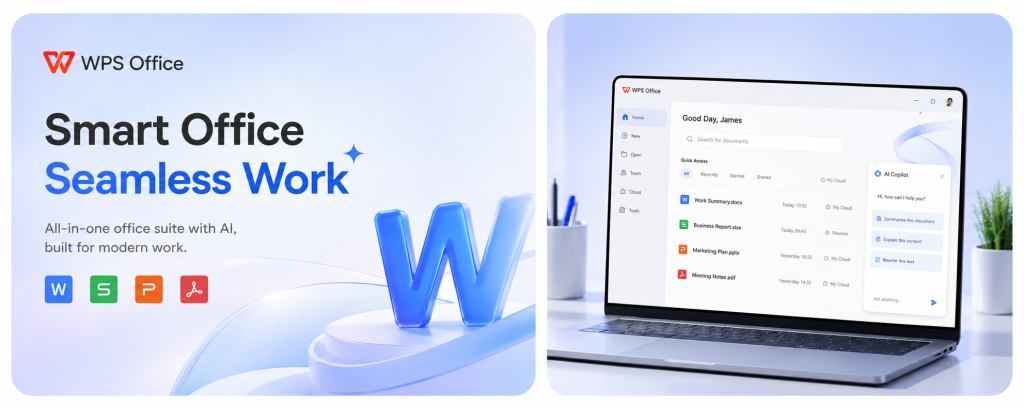
Regional EdTech is growing at a compound annual rate of 14.52%, showing that the ecosystem is expanding. The next challenge is improving access and building the right support structures. WPS has put this approach into practice through its Southeast Asia Education Ecosystem Partnership Programme. The program partners with universities, student organisations, training academies, and learning communities to provide productivity and AI tools, co-create localised learning resources, and support workshops and campus activities that build digital skills.
Building the Partnership Ecosystem
Riset Prima Asia works with WPS to identify and qualify long-term partners across Southeast Asia’s education ecosystem. These partnerships span universities, student organisations, training academies, learning communities, and online learning platforms, with each partnership tailored to local market needs.
The result is a qualified partner pipeline, with each organisation aligned to the most suitable partnership track.
Explore the Research
Planning to expand into a new market? Explore our research or contact us to discuss your goals.