
Banyuwangi has become one of East Java’s more established tourism destinations, drawing a growing number of visitors to its beaches, its events, and its waterfront. The Banyuwangi Regency Government reported around 3.4 million tourist visits in 2024, and its economy grew faster than both the provincial and national averages the following year.
By The Numbers
| 7% | Annual visitor growth |
| 44.16% | Hotel occupancy (Dec 2025) |
| +5.42 pts | Above East Java’s December average |
| 5.65% | Local economic growth (2025) |
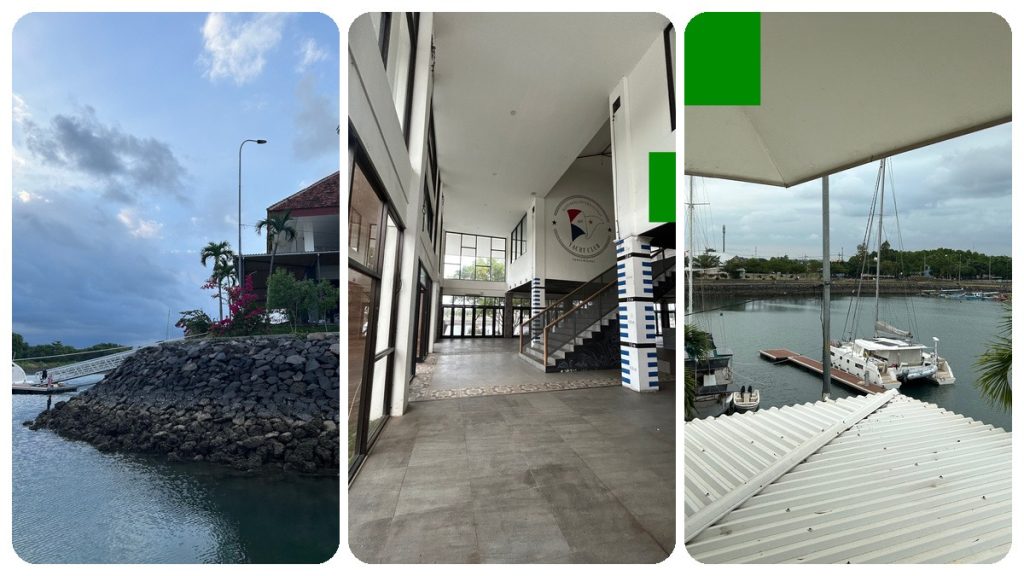
Boom Marina Banyuwangi, or Pantai Boom, is a prominent waterfront destination that hosts the Gandrung Sewu festival and serves as a fast-ferry departure point to Bali. Its location creates commercial potential for restaurants, yacht services, hospitality, and events. The value generated from the asset depends on the operator’s capability, partnership structure, revenue model, and allocation of operating costs.
The Investment Decision
PT Pelindo Properti Indonesia reviewed the future direction of its Yacht Club and Restaurant asset at Boom Marina as the five-year operating agreement neared completion. The assessment examined whether the existing partnership remained the most suitable option and focused on several key questions:
- Was the existing partnership financially viable?
- Should the agreement be renegotiated or re-tendered?
- Which type of partner could create greater value?
- Would fixed rent, revenue sharing, or a combined model work better?
- How should operating costs and responsibilities be allocated?
What Riset Prima Asia Did
Riset Prima Asia conducted a feasibility and investment optimization study of the asset, covering:
- Financial feasibility and asset valuation
- Review of the existing agreement and alternative partnership models
- Benchmarking against comparable waterfront and tourism assets
- Rental, revenue, cost, cash-flow, IRR, NPV, and payback simulations
- Strategic, legal, operational, and long-term risk assessment
The study also developed a set of alternative scenarios, each combining an annually adjusted rental fee with a share of revenue. The scenarios tested different cost responsibilities and partnership structures.
The Outcome
The study gave PPI a clearer basis for comparing its existing arrangement with the alternatives. It indicated that renegotiating the commercial structure, improving cost allocation, and moving to a rental-plus-revenue-sharing model could improve the asset’s financial performance. The recommendations also included more transparent financial reporting, stronger operational oversight through co-management, regular reviews of partner performance, and contract renewal every five years to reflect changing market conditions.
Realizing the Potential of Waterfront Properties
Banyuwangi’s tourism growth strengthens the case for its waterfront assets, but it does not settle it. The value an asset like the Boom Marina Yacht Club and Restaurant generates still depends on the commercial terms behind it: who operates it, on what basis, and how costs and revenue are shared.
For asset owners in a growing market, the practical point is a steady one. A strong location sets the potential. Tested financial evidence is what helps convert that potential into a more reliable long-term return.
📍Explore Riset Prima Asia for more research, insights, and case studies.